
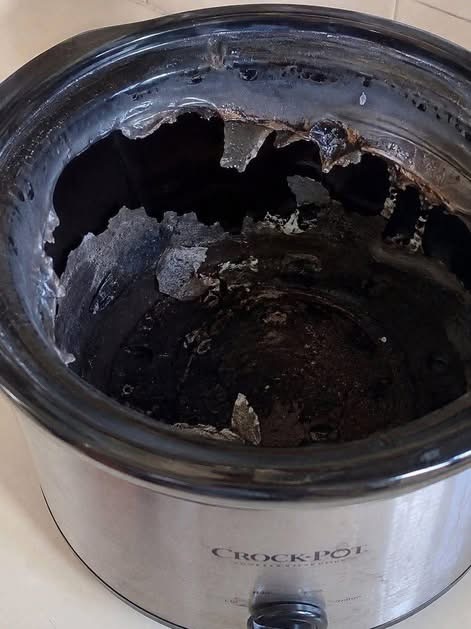
Slow cookers are designed to be reliable, low-maintenance kitchen workhorses. However, as shocking as it is to discover, the ceramic insert inside a Crock-Pot can occasionally crack, shatter, or completely collapse.
Understanding why this happens can help you prevent kitchen hazards and keep your appliances working safely for years to come.
The Primary Cause: Thermal Shock
The most common reason a stoneware slow cooker insert shatters is thermal shock. Ceramic and stoneware expand when heated and contract when cooled. While they are built to withstand gradual heat changes, rapid temperature swings create intense structural stress, causing the material to crack or shatter instantly.
Common triggers for thermal shock include:
Cold liquids in a hot pot: Pouring cold broth, water, or wine into a slow cooker that is already piping hot.
Hot stoneware on cold surfaces: Placing a hot insert directly onto a cool marble, granite, or tile countertop without a trivet or hot pad.
Preheating while empty: Turning on the slow cooker on high heat without any food or liquid inside to absorb the energy.
Searing beforehand: Transferring an insert directly from a hot stovetop or oven (if model-approved) into a cold environment, or vice versa.
Other Contributing Factors
Thermal shock isn’t the only culprit. Ceramic stoneware can also break due to:
Micro-fissures from minor impacts: Small drops, subtle bumps against the sink, or rough washing can create tiny hairline fractures invisible to the naked eye. Over repeated heating cycles, these weak points gradually expand until the pot suffers a catastrophic break.
Manufacturing defects: Rare flaws in the clay matrix or glaze coating can compromise structural integrity.
Using non-compatible heat sources: Placing standard stoneware inserts over direct stove burners or under a broiler when the manufacturer explicitly forbids it.
Crucial Safety Measures
If your slow cooker insert cracks or shatters:
Discard the food immediately: Do not attempt to salvage the meal. Microscopic glass or ceramic shards can easily contaminate the food.
Unplug the base: Disconnect the electrical cord and wait for the entire heating element to cool completely before cleaning up.
Inspect the heating element: Ensure no liquid or melted ceramic residue reached the internal electrical housing. If the base unit shows severe scorching or internal damage, replace the entire appliance.
How to Prevent Stoneware Breakage
To safeguard your kitchen and extend the life of your slow cooker, follow these quick rules:
1. Add warm liquids: Always use room-temperature or warm liquids when topping off a hot slow cooker.
2. Never preheat empty: Add your ingredients before turning on the power dial.
3. Use a trivet: Place hot ceramic inserts on a wooden board, silicone trivet, or thick dish towel.
4. Cool before washing: Allow the insert to reach room temperature before filling it with soapy sink water or putting it in the dishwasher.