
Introduction
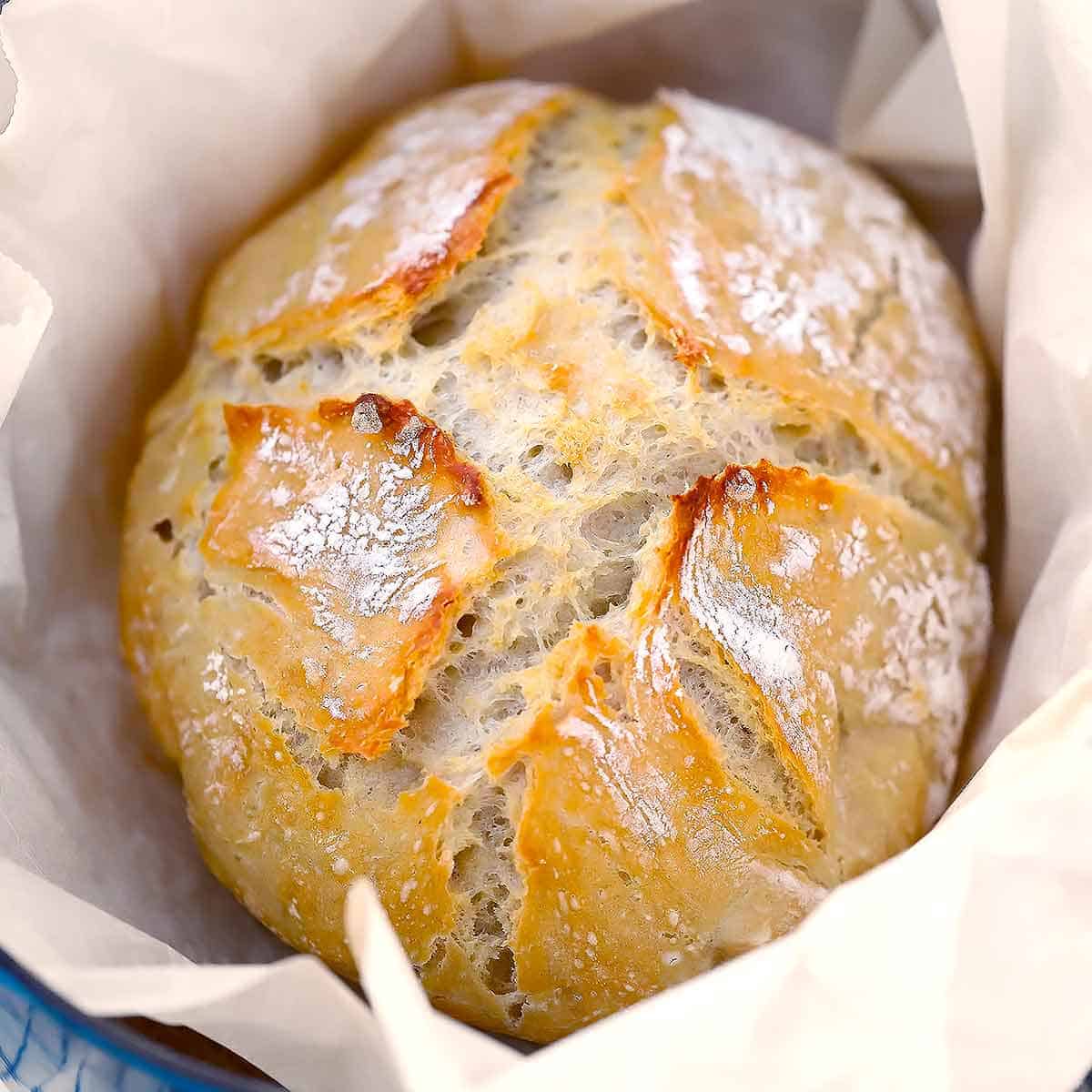
Rustic Dutch Oven Artisan Bread is a simple, homemade loaf with a crisp, crackly crust and a soft, airy interior. Thanks to baking in a preheated Dutch oven, steam is trapped around the dough, creating bakery-quality bread with minimal effort. This recipe is ideal for beginners and experienced bakers alike.
Origin
Artisan-style bread traces its roots to traditional European baking, particularly in France and Italy, where naturally fermented loaves were baked in wood-fired ovens. The modern Dutch oven method became popular because it recreates the steam-rich environment of professional bread ovens using standard home equipment.
Cultural Significance
Freshly baked bread has long symbolized comfort, hospitality, and nourishment across cultures. Sharing homemade bread is a timeless tradition that brings families and friends together, making it a staple at meals, celebrations, and gatherings around the world.
Ingredients
| Ingredient | Quantity |
|---|---|
| Bread flour (or all-purpose flour) | 3 cups (375 g) |
| Warm water (105–110°F / 40–43°C) | 1½ cups (360 ml) |
| Instant yeast | 2 teaspoons |
| Salt | 1½ teaspoons |
| Olive oil (optional) | 1 tablespoon |
| Extra flour | For dusting |
Optional Additions
- 1 tablespoon chopped fresh rosemary or thyme
- 2 cloves garlic, minced
- ½ cup shredded cheddar or Parmesan cheese
- 2 tablespoons mixed seeds (sesame, sunflower, flax)
- 1 teaspoon Italian seasoning
- Cracked black pepper for extra flavor
Tips for Success
- Use warm—not hot—water to activate the yeast.
- Allow the dough enough time to rise until doubled in size.
- Preheat the Dutch oven thoroughly for a crisp crust.
- Dust the dough lightly with flour before scoring.
- Score the top with a sharp knife or bread lame to control expansion.
- Let the bread cool completely before slicing to preserve its texture.
Instructions
1. Mix the Dough
In a large bowl, combine the flour, yeast, and salt. Add the warm water (and olive oil if using). Stir until a shaggy dough forms.
2. First Rise
Cover the bowl and let the dough rise in a warm place for 1½–2 hours, or until doubled in size.
3. Shape the Dough
Transfer the dough onto a lightly floured surface. Fold the edges toward the center and shape into a round loaf.
4. Second Rise
Place the dough on parchment paper, cover, and let it rest for 30–45 minutes.
5. Preheat
Place the Dutch oven (with lid) in the oven and preheat to 450°F (230°C) for at least 30 minutes.
6. Bake Covered
Carefully lower the dough into the hot Dutch oven using the parchment paper. Cover with the lid and bake for 30 minutes.
7. Bake Uncovered
Remove the lid and continue baking for 10–15 minutes, or until the crust is deep golden brown.
8. Cool
Transfer the bread to a wire rack and let it cool for at least 30 minutes before slicing.
Description
This artisan bread features a beautifully blistered, golden crust with a tender, chewy crumb. Its mild flavor makes it perfect for sandwiches, soups, stews, breakfast toast, or simply enjoyed warm with butter and olive oil.
Nutritional Information
Approximate per slice (1 of 12):
- Calories: 150
- Protein: 5 g
- Carbohydrates: 30 g
- Fat: 1 g
- Fiber: 1 g
- Sodium: 290 mg
Values are approximate and may vary depending on the ingredients used.
Conclusion
Rustic Dutch Oven Artisan Bread proves that delicious homemade bread doesn’t require complicated techniques or specialized equipment. With just a few pantry staples, you can create a loaf that’s both impressive and satisfying.
Recommendation
Serve this bread warm with butter, olive oil, herb-infused dipping oil, soups, pasta, or charcuterie boards. It also makes excellent toast the next day and freezes well for future meals.
Embracing Healthful Indulgence
Homemade bread allows you to control the ingredients, reduce preservatives, and customize flavors with wholesome additions like whole wheat flour, seeds, or fresh herbs. Enjoying freshly baked bread as part of a balanced diet is a comforting and nourishing way to bring simple, homemade goodness to your table.